






Painting as a Part of Daily Life : Painting in Everyday Surroundings : Kolkart

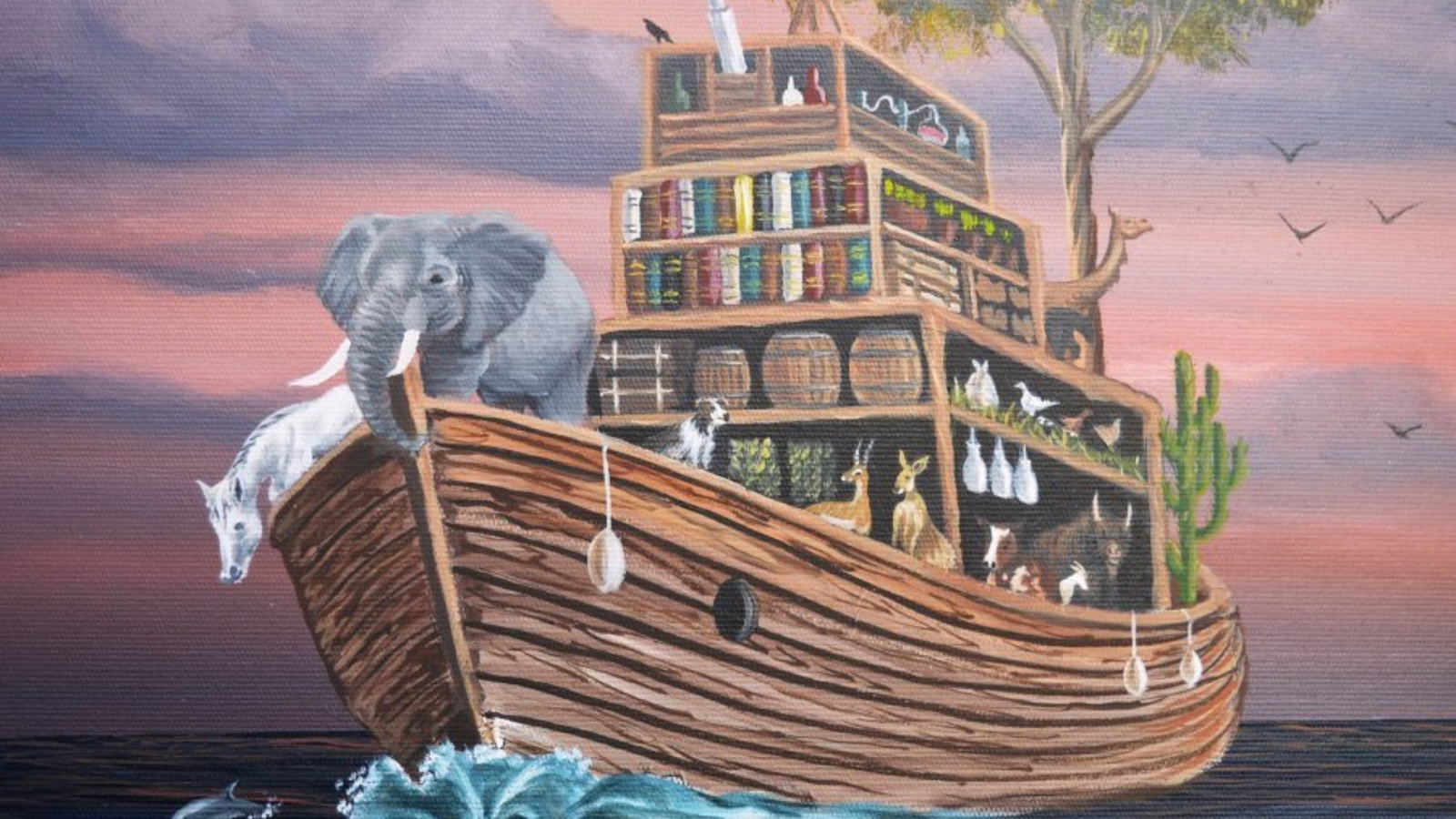
Painting is often seen as something meant for galleries and museums, but in reality, it has always been deeply woven into our daily lives. Long before art became a subject of formal study, humans used painting as a natural way to communicate, decorate, and express emotions. From the walls of ancient caves to the homes we live in today, painting continues to shape how we see and experience the world around us.
Painting in Everyday Surroundings
In many cultures, especially in India, painting has traditionally been a part of everyday living. Homes were decorated with hand-painted walls, floors, and doorways. Rural households often used natural colors made from mud, leaves, flowers, and minerals to create beautiful motifs. These paintings were not just decorative; they were believed to bring positivity, protection, and prosperity.
Art forms like Alpana, Kolam, Rangoli, and Mandana are created daily or during festivals at the entrance of homes. These temporary paintings reflect harmony with nature and mark important moments of life such as births, marriages, and celebrations.
Painting as Expression and Communication
Painting allows people to express thoughts and feelings that words often cannot. Children instinctively use drawing and painting to communicate their imagination and emotions. For adults, painting becomes a quiet language of self-expression—helping release stress, capture memories, or reflect personal experiences.
In daily life, painting appears in signs, posters, advertisements, murals, and illustrations. These visual elements guide us, inform us, and influence our emotions without us even realizing it.
Cultural and Spiritual Significance
Painting has always held a sacred place in rituals and spiritual practices. Temples, prayer rooms, and religious manuscripts are often adorned with painted images of deities, symbols, and stories. In Indian tradition, painting gods and goddesses is considered an act of devotion, not just creativity.
Folk paintings such as Madhubani, Pattachitra, and Kalamkari were originally created for household rituals and storytelling. They transformed ordinary walls and cloth into carriers of culture and belief.
Painting in Modern Daily Life
In today’s world, painting continues to be part of our everyday experience—though in evolved forms. Home interiors use paintings to reflect personality and taste. Offices, cafés, and public spaces use murals to create mood and identity. Digital painting plays a role in mobile apps, movies, books, and social media.
Many people now turn to painting as a hobby or form of mindfulness. A few minutes with a brush or pencil can bring calm, focus, and joy in an otherwise busy routine.
Painting as Identity and Connection
Painting connects people across generations and communities. It preserves traditions, tells stories, and reflects social change. Whether it is a tribal wall painting in a village or a modern abstract canvas in a city apartment, painting continues to represent who we are and how we live.
Conclusion
Painting is not separate from daily life—it is part of it. It exists in our homes, streets, rituals, emotions, and memories. As both an art form and a way of living, painting enriches everyday experiences, turning the ordinary into something meaningful and beautiful. By embracing painting in daily life, we keep creativity alive and culture thriving.