


Modern Art: Breaking Traditions, Creating New Visions : Art Redefined – Kolkart

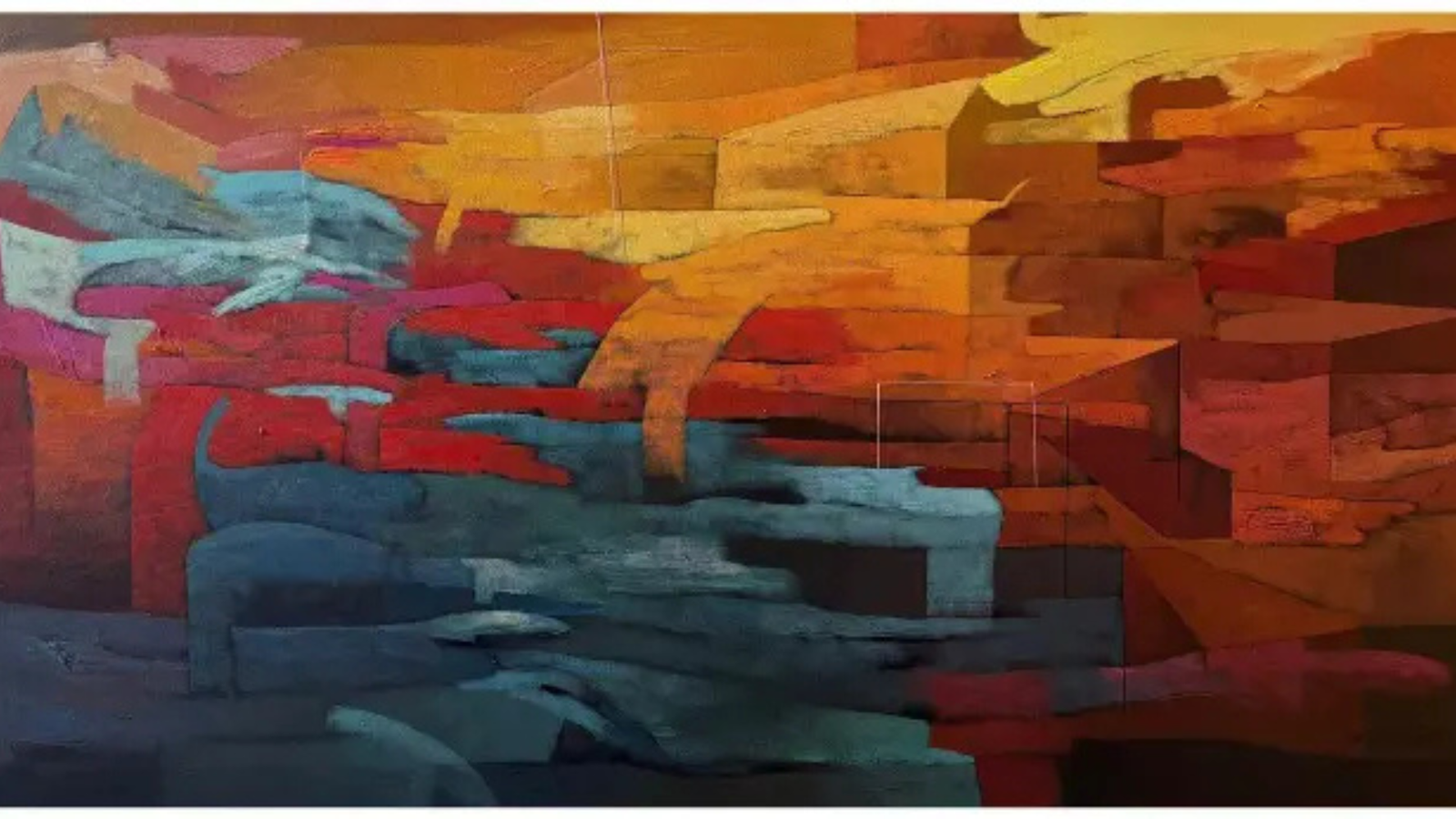
Modern art represents a powerful shift in the way artists see and interpret the world. Emerging in the late 19th and early 20th centuries, modern art moved away from traditional rules of realistic representation and embraced experimentation, individuality, and new ways of expression. It reflects changing societies, technological progress, and the evolving human mindset.
What Is Modern Art?
Modern art is not defined by a single style or technique. Instead, it is an attitude—a desire to challenge conventions and explore fresh perspectives. Artists began focusing on emotions, ideas, and personal experiences rather than simply copying what they saw in front of them. Color, form, line, and texture became tools for expression rather than accuracy.
Key Characteristics of Modern Art
Modern art is marked by freedom and innovation. Artists often used:
- Bold and expressive colors
- Abstract or simplified forms
- Unconventional materials and techniques
- Personal and symbolic themes
Rather than telling a clear story, many modern artworks invite viewers to interpret meaning in their own way.
Major Movements in Modern Art
Several influential movements shaped modern art:
- Impressionism focused on light, movement, and everyday scenes.
- Expressionism emphasized emotion and inner feelings.
- Cubism, pioneered by artists like Pablo Picasso, broke subjects into geometric shapes and multiple viewpoints.
- Surrealism explored dreams, imagination, and the subconscious mind.
- Abstract Art moved away from recognizable forms altogether, focusing on pure visual language.
Each movement expanded the boundaries of what art could be.
Modern Art in the Indian Context
In India, modern art developed as artists responded to colonial influence and global artistic trends while seeking their own cultural identity. Artists like Amrita Sher-Gil, Jamini Roy, M.F. Husain, S.H. Raza, and F.N. Souza played a key role in shaping modern Indian art.
They blended Indian themes, folk influences, and spiritual ideas with modern techniques, creating a unique visual language that spoke to both tradition and change.
Modern Art in Daily Life
Today, modern art is everywhere—in home décor, public murals, fashion, digital media, and graphic design. It shapes how we experience spaces and communicates ideas quickly and powerfully. Modern art also encourages dialogue, challenges social norms, and reflects contemporary issues such as identity, politics, and technology.
Why Modern Art Matters
Modern art teaches us to see beyond appearances. It encourages curiosity, open-mindedness, and emotional connection. By breaking rules, modern artists opened doors for creativity in all forms, influencing contemporary art, design, and visual culture worldwide.
Conclusion
Modern art is a celebration of freedom and imagination. It represents a turning point in art history where expression mattered more than perfection. By questioning traditions and embracing innovation, modern art continues to inspire artists and audiences, reminding us that art evolves with life itself.