



The Timeless Journey of Indian Paintings : A Glorious Artistic Heritage – Kolkart

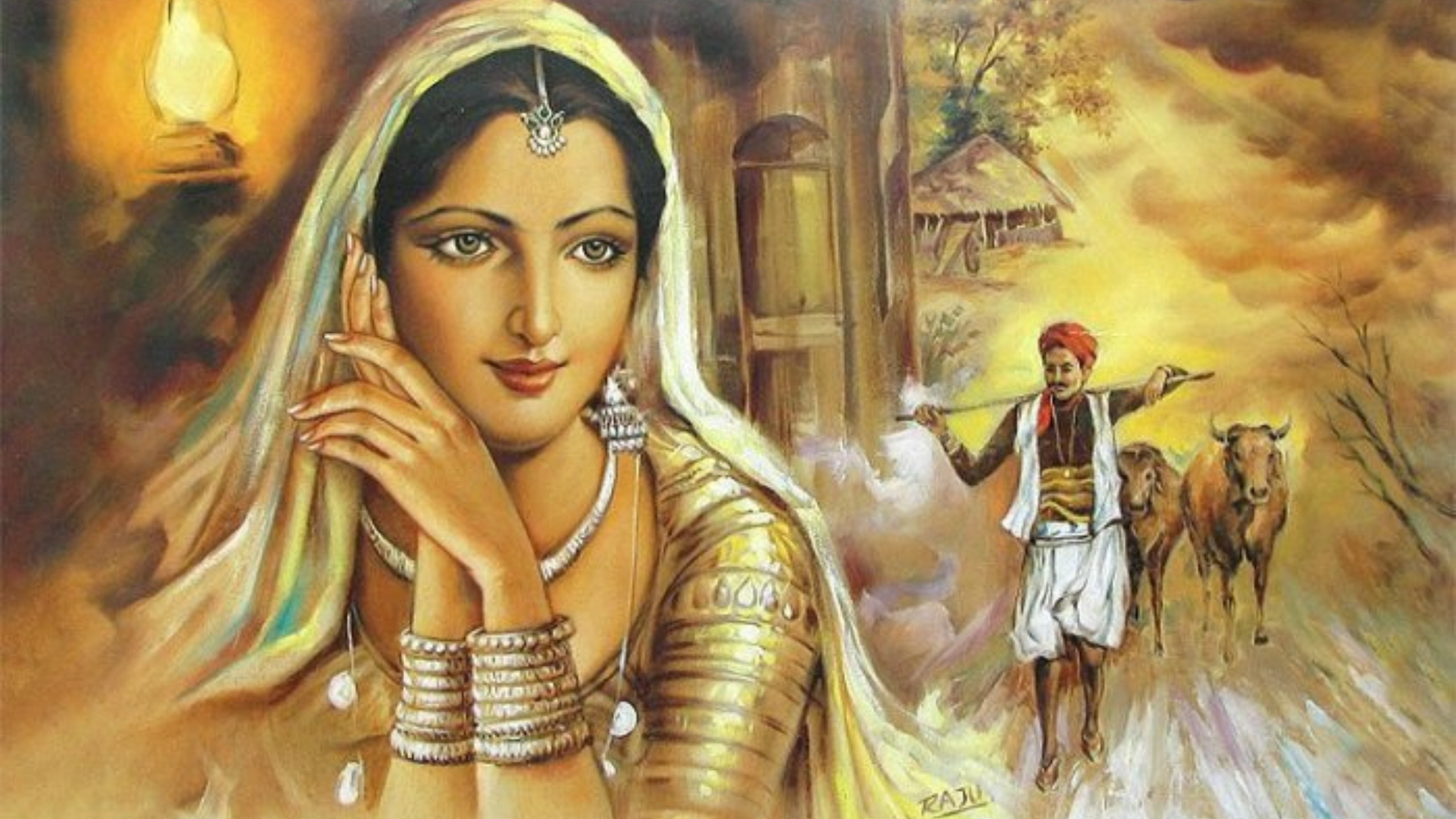
Indian painting is not merely an art form—it is a visual chronicle of the country’s spiritual depth, cultural diversity, and historical evolution. Spanning thousands of years, the history of Indian paintings reflects changing dynasties, religious beliefs, regional traditions, and artistic innovations. From prehistoric cave walls to refined miniature styles and modern expressions, Indian painting has continuously evolved while staying rooted in tradition.
Prehistoric and Ancient Indian Paintings
The earliest examples of Indian painting date back to the prehistoric era, most notably seen in the rock shelters of Bhimbetka in Madhya Pradesh. These cave paintings, created using natural pigments, depict scenes of hunting, dancing, animals, and daily life. They reveal early humans’ desire to record experiences and express emotions visually.
During the Indus Valley Civilization (c. 2500 BCE), evidence of artistic expression appears in pottery designs, seals, and figurines. Though full-scale paintings from this era are rare, the motifs and symbols suggest a strong aesthetic sense and storytelling tradition.
Buddhist and Classical Period Paintings
Indian painting flourished during the Mauryan and Gupta periods, particularly under Buddhist patronage. The most celebrated masterpieces from this era are the Ajanta Cave Paintings (2nd century BCE to 6th century CE). These murals illustrate stories from the Jataka tales, depicting the previous lives of Lord Buddha. The paintings are admired for their graceful figures, expressive faces, fluid lines, and advanced understanding of shading and perspective.
Other significant examples include the Ellora and Bagh cave paintings, which further highlight the sophistication of classical Indian art. This period is often regarded as the golden age of Indian painting, marked by harmony, balance, and spiritual symbolism.
Medieval Indian Paintings and Miniature Traditions
With the arrival of regional kingdoms and Islamic rule, Indian painting entered a new phase during the medieval period. One of the most prominent developments was miniature painting, characterized by intricate details, vibrant colors, and narrative depth.
Mughal Paintings
The Mughal school of painting, developed under emperors like Akbar, Jahangir, and Shah Jahan, blended Persian artistic techniques with Indian themes. These paintings often depicted royal court scenes, battles, hunting expeditions, portraits, and nature studies. Mughal miniatures are known for their realism, fine brushwork, and refined composition.
Rajput Paintings
In contrast, Rajput painting emerged across Rajasthan and Central India, focusing on themes of devotion, romance, and heroism. Stories from the Ramayana, Mahabharata, and the life of Lord Krishna were popular subjects. Bold colors, expressive figures, and strong emotional content define this style.
Pahari Paintings
Developed in the Himalayan regions, Pahari paintings are delicate and lyrical, often portraying Radha-Krishna themes set against serene natural landscapes. These paintings reflect poetic beauty and spiritual love.
South Indian and Folk Painting Traditions
Parallel to court-sponsored art, India nurtured rich folk and tribal painting traditions, many of which continue today.
- Tanjore paintings from Tamil Nadu are known for their gold foil work and devotional themes.
- Madhubani paintings from Bihar use natural colors and symbolic patterns to depict mythology and nature.
- Warli art from Maharashtra uses simple geometric forms to represent rural life.
- Pattachitra, Kalamkari, and Gond art further showcase India’s regional diversity and storytelling heritage.
These styles were often created for rituals, festivals, and community expression rather than royal patronage.
Colonial Influence and Modern Indian Paintings
The British colonial period introduced Western art education and techniques such as oil painting, realism, and perspective. In response, artists like Raja Ravi Varma combined European methods with Indian mythological subjects, making art more accessible to the masses.
In the 20th century, Indian painting took a bold turn with modern and contemporary artists like Amrita Sher-Gil, M.F. Husain, S.H. Raza, and Jamini Roy. They experimented with abstraction, expressionism, and indigenous styles to create a new visual language for a modern India.
Contemporary Indian Painting
Today, Indian painting continues to thrive on global platforms. Contemporary artists blend tradition with modern themes, addressing social issues, identity, urban life, and globalization. Indian art has found recognition in international galleries, auctions, and museums, proving its timeless relevance.
Conclusion
The history of Indian paintings is a remarkable journey of creativity, devotion, and innovation. Each era and region has contributed uniquely to this vast artistic legacy. Rooted in ancient traditions yet open to change, Indian painting stands as a powerful testament to the country’s cultural soul—a heritage that continues to inspire artists and art lovers across generations.